

Advisory Board
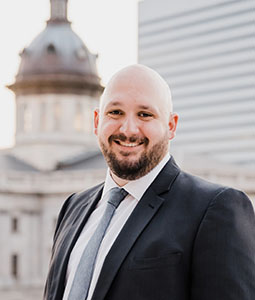
He was formerly the Chief Privacy Officer for the State of South Carolina. He was previously Data Privacy and Cyber Counsel for Blue Cross Blue Shield of South Carolina. Before joining Blue Cross and Blue Shield, D'Elia was the Chief Information Security Officer and Assistant General Counsel for the South Carolina Department of Natural Resources. D’Elia clerked for Chief Judge James E. Lockemy at the S.C. Court of Appeals and is a combat veteran of the war in Afghanistan.
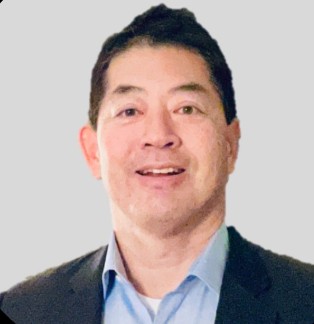
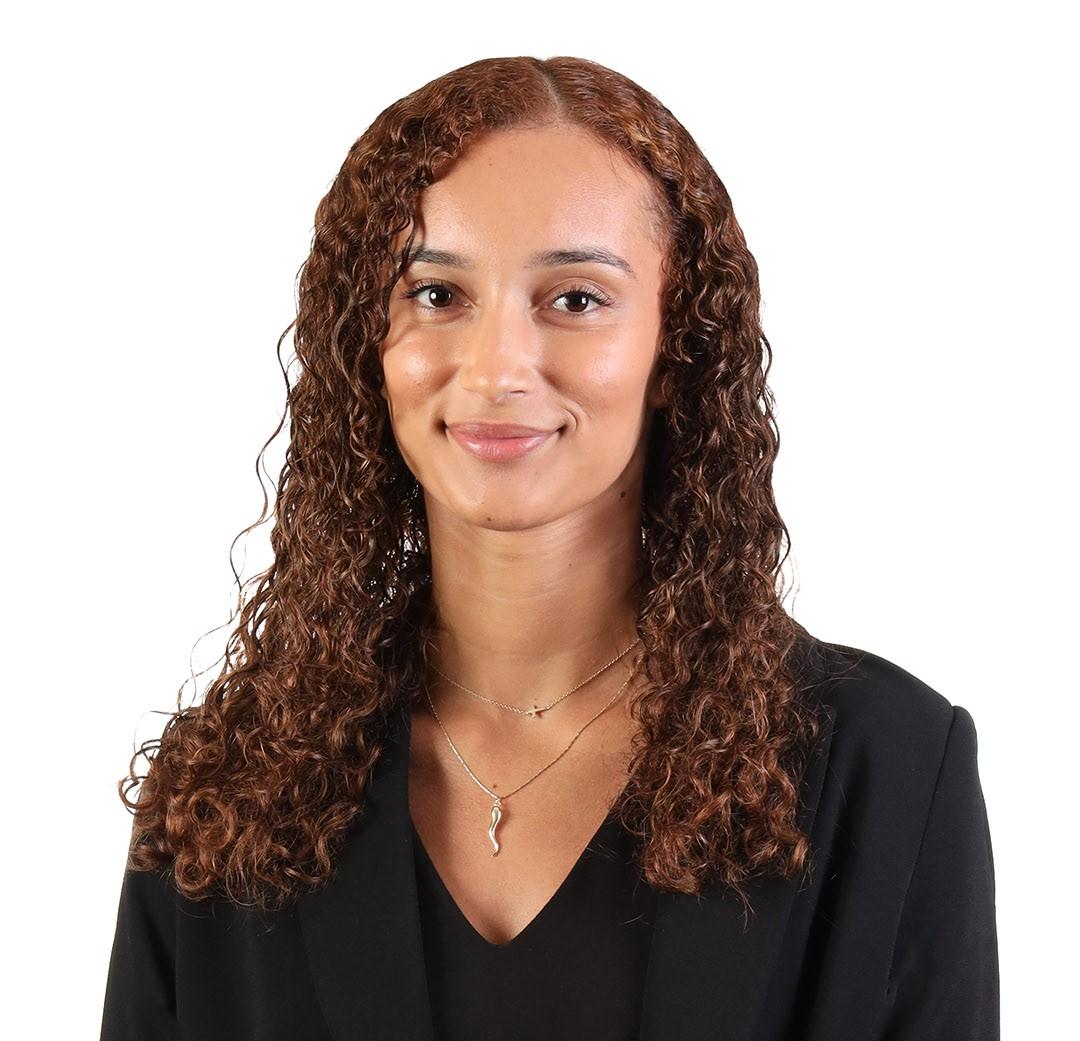
Marianna currently focuses her practice on regulatory and compliance matters related to financial services, consumer lending, payments, alternative lending, and other non-bank financial services. She advises clients on a variety of topics including bank-fintech relationships, card programs, payment processing regimes, money transmission, blockchain, data privacy and security compliance, and regulatory compliance ranging from fair lending to FTC marketing guidelines. Marianna has experience with product development, compliance management systems (CMS), and associated internal controls enabling her to navigate federal and state-specific laws.
Marianna is a graduate of the University of South Carolina Joseph F. Rice School of Law. While a student, Marianna served as the President of both the Sports and Entertainment Law Society and the Technology and Law Student Association. As part of her time as president, she launched a student-led legal blog focusing on sports, entertainment, technology, and intellectual property. She also dedicated her time to developing programs that allow students to pursue learning opportunities outside of the classroom. Prior to attending USC Law, Marianna attended Fordham University Gabelli School of Business in New York City.
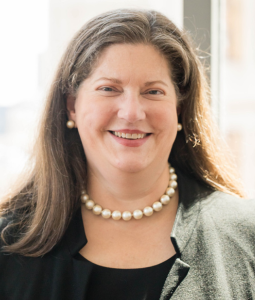
Kristina L. Niedringhaus is Associate Dean and Director of the Law Library at the University of South Carolina Joseph F. Rice School of Law. Her teaching portfolio includes courses in research methods, advanced legal research, and law practice technology, and her scholarship spans legal research pedagogy, technology competency, ethics issues related to legal research and technology, and law librarianship. She has been honored with multiple awards, including the Maleski Award for Teaching Excellence and recognition as one of the Influential Women in Legal Tech by the International Legal Technology Association.
She currently serves as Treasurer of the American Association of Law Libraries and on the Board of Directors of CALI, including two terms as President.
Prior to the Joseph F. Rice School of Law, she served as Associate Dean for Library, Information Resources, Legal Technolofy, and Innovation and Faculty Director of the Legal Analytics & Innovation Initiative at Georgia State University College of Law.
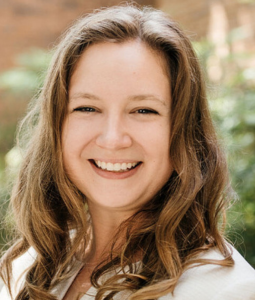
Zoe Niesel is a Professor of Law at the University of South Carolina Joseph F. Rice School of Law, where she teaches Civil Procedure, Legal and Equitable Remedies, and Drafting with Generative AI. Her scholarship explores the intersections of law and technology, civil procedure, federal courts, administrative law, and innovations in legal education.
Professor Niesel has published on civil procedure, jurisdiction, administrative law, and the impact of emerging technologies on the legal system. Her recent work addresses artificial intelligence in judicial review, complex jurisdictional questions in the federal courts, and administrative procedure. Her articles have appeared in the Alabama Law Review, Indiana Law Journal, Tulane Law Review, and SMU Law Review. She is also co-author of Legal Research Guide: Patterns and Practice (Carolina Academic Press, 8th ed. 2019; 9th ed. forthcoming 2026), a legal research textbook that integrates artificial intelligence into the research process.
An active contributor to legal education and professional organizations, Professor Niesel has presented nationally and internationally on topics including civil and administrative procedure, AI in the legal profession, and innovations in pedagogy.
Before joining the Joseph F. Rice School of Law, Professor Niesel served as the Albert Herrmann Professor of Law and Associate Dean for Academic Affairs at St. Mary’s University School of Law in San Antonio, Texas. She earned her J.D., summa cum laude, from Wake Forest University School of Law and her B.A., magna cum laude, from Southern Methodist University.
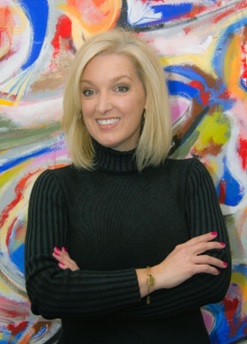
Jodi Salter is a highly experienced academic professional who has dedicated over 30 years of her career to producing innovative programs and inspiring students at the University of South Carolina. She has played a critical role in shaping the university's cyber educational offerings. Currently serving as Cyber Degree Program Manager with the Walker Institute of International and Area Studies, she conceived the new Cyber Intelligence (Cyber Policy and Ethics) degree program that launched in the fall of 2021. The program is interdisciplinary and holistic, with a focus on the human aspect of cyber and the challenges presented in today's rapidly changing cyber landscape. It offers a strategic educational option for students interested in the ever-growing and changing cyber arena. The Cyber Intelligence (Cyber Policy and Ethics) degree program is a testament to her innovative and forward-thinking approach to education by addressing cyber education as a business problem and then creating the arena for our next generation of cyber leaders to learn how to enable industry advancement.
In addition to her work at the University of South Carolina, Jodi is actively involved in the community, serving on key boards and advisory committees- locally, nationally, and internationally to include: Columbia World Affairs Council (CWAC), Columbia Opportunity Resource (COR), Columbia Chamber of Commerce, SC Competes SC CyberSec and Palmetto AI Corridor committees, SC AI Center for Excellence Advisory Committee and ATARC Cybersecurity and Workforce Development Working Group. Additionally, Jodi is the Founding Board Chair of South Carolina Women in Technology and the Director of SC Cyber, which brings education, government, and industry together to grow the critical technology industry and workforce development in South Carolina.
Jodi's strengths include her ability to develop and strengthen initiatives, build authentic relationships, and create a positive and enriching environment for students and the community at large. She firmly believes that education, business, and cultural development are all integral to each other. Her career at the university and involvement in the community have given her a unique position to interconnect on many levels.
Connect with Jodi on LinkedIn: https://www.linkedin.com/in/jodi-salter-1453b39/
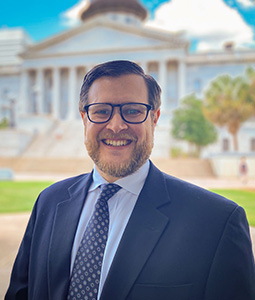
David Sella-Villa joined the University of South Carolina Joseph F. Rice School of Law faculty as an Assistant Professor in July 2024. His primary research and teaching interests focus on law and technology, privacy, cybersecurity, and artificial intelligence.
Prior to his full-time faculty appointment, Professor Sella-Villa served as an adjunct faculty member at the Joseph F. Rice School of Law at the University of South Carolina and William & Mary Law School. He also brings extensive practical experience to his academic role. He served as South Carolina's Chief Privacy Officer, leading the Enterprise Privacy Office and educating state agencies on privacy best practices. Before that, he was Assistant General Counsel for the South Carolina Department of Administration, where he advised the state’s IT division. In the private sector, Professor Sella-Villa worked as General Counsel for Tempus Applied Solutions and Global Flight Relief, managing complex transactions and regulatory compliance in the aviation industry. He has also maintained a solo law practice focused on serving pro bono clients.
Professor Sella-Villa's scholarship appears in University of Richmond Law Review, University of Missouri Kansas City Law Review, the International Journal of Remote Sensing, and The Business Lawyer. He is an active member of the Sedona Conference Working Group on Data Security and Privacy Liability. His work has also been selected for discussion at the Privacy Law Scholars Conference – Europe (PLSC-E) and the Annual Symposium on Applications of Contextual Integrity (PrivaCI).
He holds a J.D. from William & Mary Law School. He also earned an M.Sc. in European Political Economy from the London School of Economics and dual bachelor's degrees from West Virginia University. Professor Sella-Villa holds the highest designation from the International Association of Privacy Professionals – Fellow of Information Privacy (FIP). He is admitted to practice law in South Carolina, Virginia, and Pennsylvania.
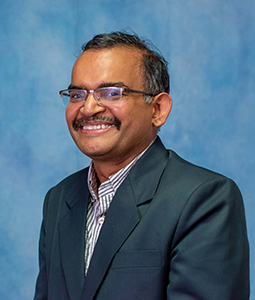
Biplav Srivastava is a Professor of Computer Science at the AI Institute and Department of Computer Science at the University of South Carolina which he joined in 2020 after two decades in industrial research. He directs the 'AI for Society' group which is investigating how to enable people to make rational decisions despite the real world complexities of poor data, changing goals and limited resources by augmenting their cognitive limitations with technology. His work in Artificial Intelligence spans the sub-fields of reasoning (planning, scheduling), knowledge extraction and representation (ontology, open data), learning (classification, deep, adversarial) and interaction (collaborative assistants), and extends to their application for Services (process automation, composition) and Sustainability (water, traffic, health, governance). Biplav has been involved with building innovative systems for decision support in domains as diverse as governance (IJCAI 2016, AI Magazine 2023), astronomy (AAAI 2018 best demo award), water (AAAI 2018), smart room (ICAPS 2018 demo runner up, IJCAI 2018), career planning (commercial product), market intelligence (AAAI 2020 deployed AI award), dialogs for information retrieval (ICAPS 2021), fairness assessment (AAAI 2021), computer games (AAAI 2022), generalized planning (IJCAI 2023), information spread in opinion networks (AAAI 2024 best demo award), transportation, group recommendation (teaming (AAAI 2024 deployed AI award), meals) and health.
Biplav’s works have led to many science firsts and high-impact commercial innovations valued over billions of dollars, 200+ papers and 70+ US patents issued, and awards for papers, demos and hacks. He is an ACM Distinguished Scientist, AAAI Senior Member, IEEE Senior Member and AAAS Leshner Fellow for Public Engagement on AI (2020-2021). He has a Ph.D. and a M.S. from Arizona State University, USA and a B.Tech. from IIT-BHU, India. More details about his group and him are at, respectively, https://ai4society.github.io/ & https://sites.google.com/site/biplavsrivastava/.

Donna Tillis is a partner at Nelson Mullins Riley & Scarborough LLP in Columbia. Donna is a business litigator who practices in the areas of financial services, class action defense, insurance coverage and bad faith claims, and construction defect. In the financial services space, Donna focuses her practice on addressing a variety of financial services issues, litigation and client projects addressing a variety of financial service issues, including the Telephone Consumer Protection Act, the Fair Debt Collection Practices Act, the Fair Credit Reporting Act, the Uniform Commercial Code, and the South Carolina Consumer Protection Code.
In her practice, Donna has developed substantive knowledge of issues related to electronic discovery as well as document collection, review, and production. She also has a robust pro bono practice where she represents veterans with family law issues through the Lawyers 4 Vets program. Donna is a 2014 graduate of the University of South Carolina School of Law, where she was the first black Editor in Chief of the ABA Real Property, Trust & Estate Law Journal and recipient of the Bronze Compleat Lawyer Award. Donna was recently recognized in The State’s newspaper’s Top 20 Under 40 Class of 2021.
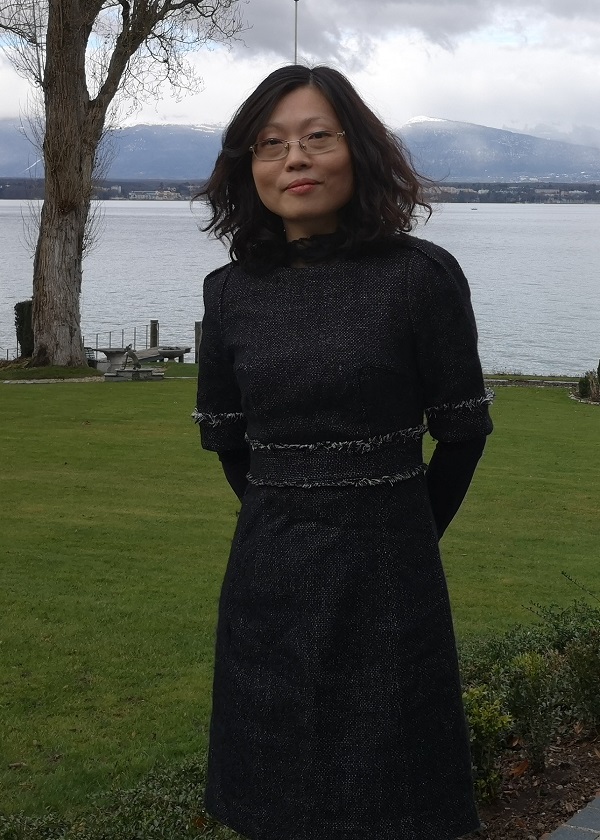
Professor Ying (Anna) Wang is a law professor at Renmin University of China, deputy director of Renmin's Law and Technology Institute, and a 2024 visiting scholar at Columbia Law School who focuses on the legal aspects of automated driving and other AI applications. Her influential scholarship on attribution of responsibility implicates both cyberspace and the physical world. Professor Wang has also been instrumental in fostering academic cooperation among scholars and students on three continents, including through a virtual exchange with law students at Renmin, Yale, and South Carolina. She holds a doctorate in law from the Max Planck Institute for Foreign and International Criminal Law and Albert-Ludwigs University of Freiburg in Germany and a master's degree in criminal law from Peking University in China.
Our affiliates engage in a wide variety of topics.